Y-DNA · Paternal lineage

I

I (M170)

Y-DNA Haplogroup I

A reference profile for one lineage branch. Shared haplogroups do not establish a family relationship or cultural identity.

Reference profile

Branch background

Historical context for Y-DNA lineage branch I

Origins and Evolution

Y-DNA haplogroup I is a major branch of the paternal phylogeny descending from IJ, and it is generally interpreted as an early European lineage that differentiated after modern humans expanded into Eurasia. Its estimated origin is in the Upper Paleolithic, roughly 25 thousand years ago, although the deep internal diversification of the clade probably occurred later as populations survived in European refugia during the Last Glacial Maximum.

Ancient DNA studies have shown that haplogroup I was especially common among European Mesolithic hunter-gatherers, making it one of the most characteristic paternal lineages of pre-agricultural Europe. The clade later persisted into post-glacial and historic populations, even as incoming Neolithic farmers and later Bronze Age expansions reshaped the paternal landscape of the continent.

Subclades

Haplogroup I is an intermediate clade and includes two major sister branches:

  • I1: today most frequent in Scandinavia and parts of northern Europe, often associated with later northern European demographic expansions.
  • I2: widespread in southeastern Europe, the Balkans, and parts of central and eastern Europe, with strong ties to ancient European hunter-gatherer ancestry.

These branches reflect deep geographic structuring within Europe and likely represent long-term survival and regional expansion of distinct paternal lineages after the Upper Paleolithic.

Geographical Distribution

Haplogroup I is found predominantly in Europe, with the greatest concentrations in:

  • Northern Europe, especially Scandinavia and adjacent regions
  • Southeastern Europe, including the Balkans and the Carpathian Basin
  • Central Europe, at moderate frequencies
  • Eastern Europe, where certain subclades are present at lower levels

Outside Europe, it occurs mainly through recent migration, particularly in the Americas, Oceania, and urban centers worldwide.

Historical and Cultural Significance

Haplogroup I is important because it represents one of the clearest paternal signatures of Europe's pre-Neolithic inhabitants. In ancient remains, related lineages appear frequently among Western Hunter-Gatherers and other Mesolithic groups, supporting the view that haplogroup I was already established in Europe well before the spread of agriculture.

During the Neolithic, haplogroup I was partly replaced in many regions by lineages associated with Anatolian farmer expansions, but it survived in substantial proportions in some local populations. Later, in the Bronze Age and Iron Age, the distribution of its subclades was further shaped by migrations, local continuity, and social selection, producing the modern pattern of strong regional differentiation.

Conclusion

Y-DNA haplogroup I is a deeply rooted European paternal lineage with major importance for understanding the genetic history of prehistoric Europe. Its association with Mesolithic hunter-gatherers, its persistence through major cultural transitions, and its strong regional structure make it a key clade in studies of ancient and modern European population history.

Key Points

  • Origins and Evolution
  • Subclades
  • Geographical Distribution
  • Historical and Cultural Significance
  • Conclusion
Reference profile

Tree & Relationships

Phylogenetic context and subclades

Evolution Path

Follow the recorded parent branches toward I. Dates are estimates and can change as reference data is revised.

Steps Haplogroup Age Estimate Archaeology Era Time Passed Immediate Descendants Tested Modern Descendants Ancient Connections
1 I Current ~25,000 years ago Paleolithic 25,000 years 4 3,486 79
Reference profile

Where in the World

Geographic distribution and modern presence

Recorded origin

Europe

Modern Distribution

The populations where Y-DNA haplogroup I is found include:

  1. Scandinavians
  2. Balkan populations
  3. Germans and Austrians
  4. British and Irish populations
  5. East Slavic populations
  6. Baltic populations
  7. Central European populations
  8. Recent diaspora populations in the Americas and Australia

Regional Presence

Northern Europe High
Southeastern Europe High
Central Europe Moderate
Eastern Europe Moderate
Western Europe Low
Historical context

A branch through time

Estimated formation in a broad historical timeline. Period markers provide context and do not imply a connection with particular cultures.

  1. ~25k years ago

    Haplogroup I

    Estimated formation of this Y-DNA branch; dates and locations are reference estimates.

    This branch
  2. ~20k years ago

    Last Glacial Maximum

    Peak of the last ice age, populations isolated

  3. ~10k years ago

    Neolithic Revolution

    Agriculture begins, settled communities form

  4. ~5k years ago

    Bronze Age

    Metalworking, writing, and early civilizations

  5. ~3k years ago

    Iron Age

    Iron tools, expanded trade networks

  6. ~2.5k years ago

    Classical Antiquity

    Greek and Roman civilizations flourish

  7. Present

    Present Day

    Modern era

Reference profile

Archaeological context

Recorded archaeological associations for Y-DNA branch I

Recorded associations

These labels describe archaeological contexts recorded for reference samples linked to I. An association does not establish that all carriers belonged to a culture or followed a particular migration route.

Burkhardtshohle Hohle Fels Krems-Wachtberg Culture Magdalenian Mesolithic Ukrainian Pavlovian Culture
Culture assignments are based on archaeological context of ancient DNA samples and may represent regional associations during specific time periods.
Reference profile

Sample Catalog

23 direct carriers and 56 subclade carriers of haplogroup I

10 shown · 50 matching samples

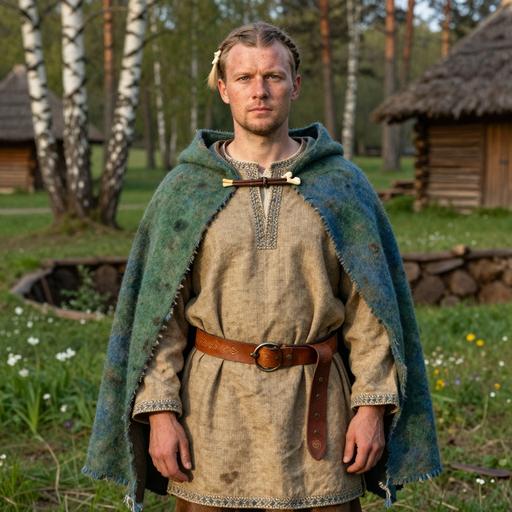
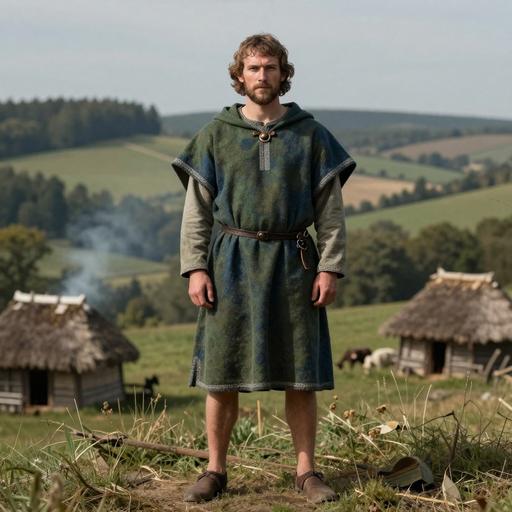
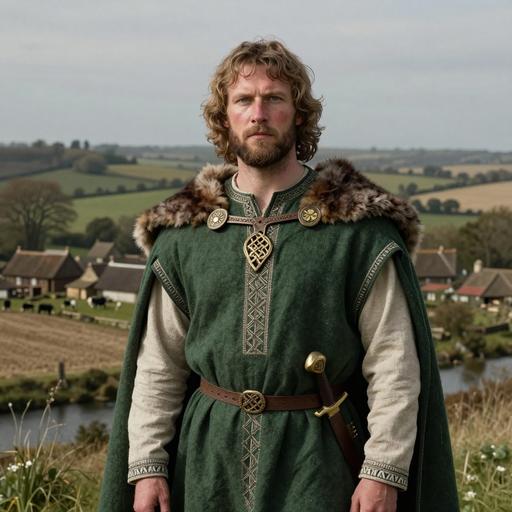
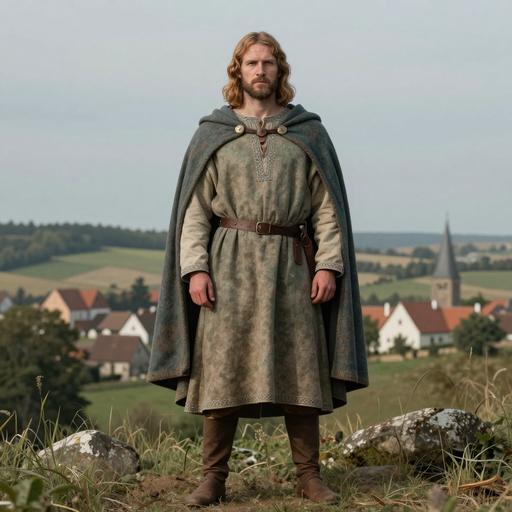
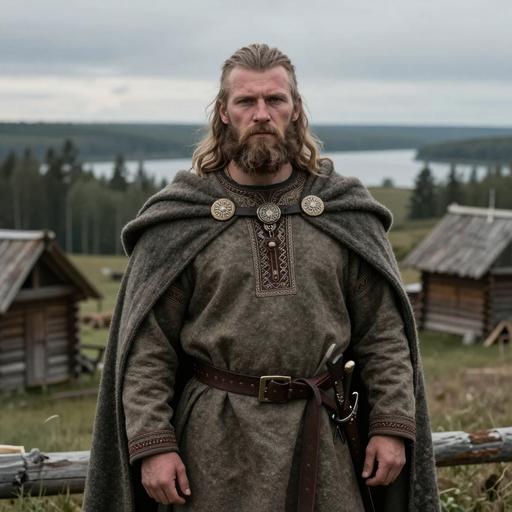
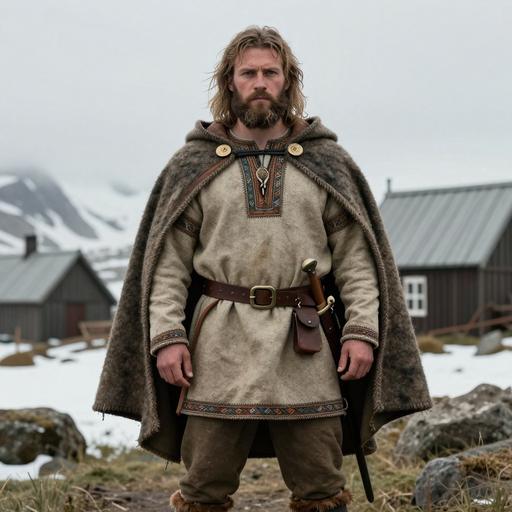
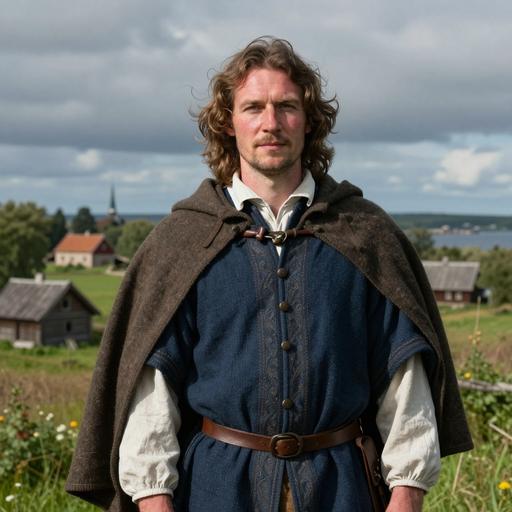
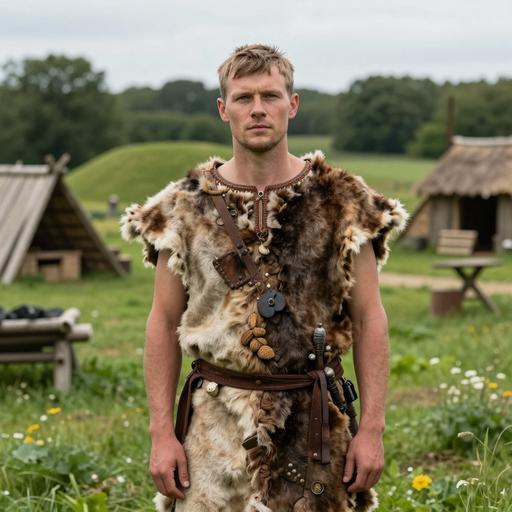
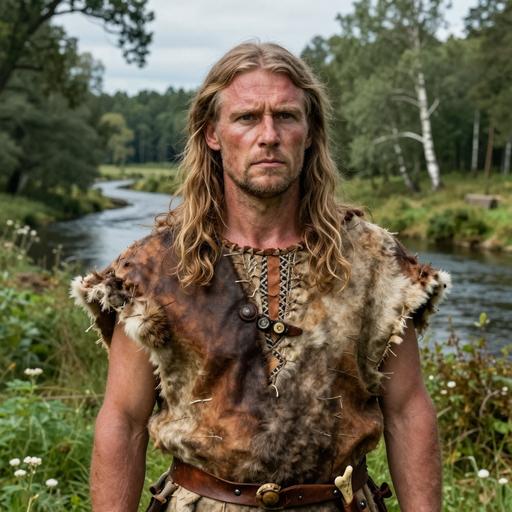
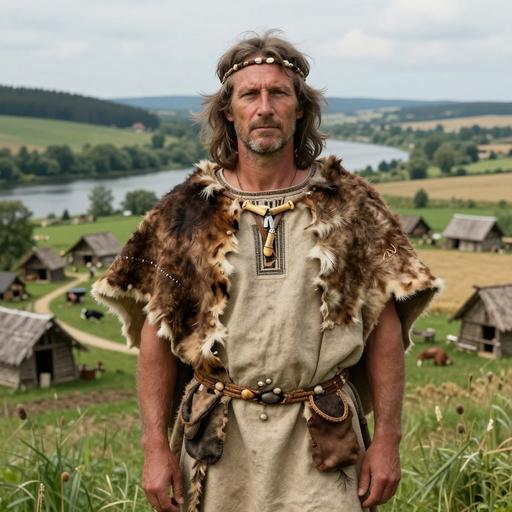
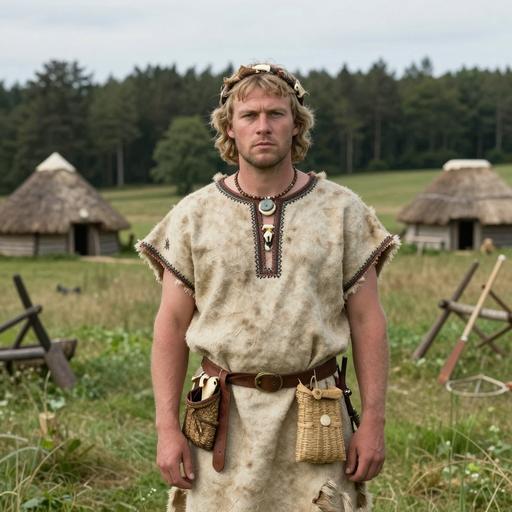
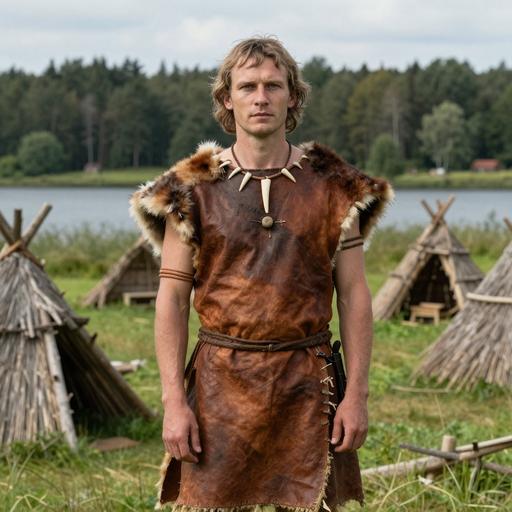
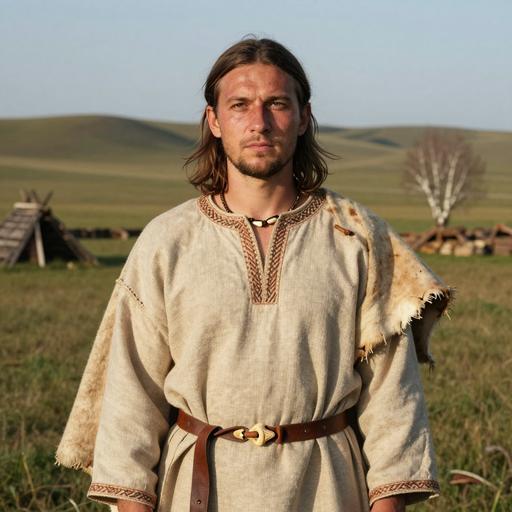
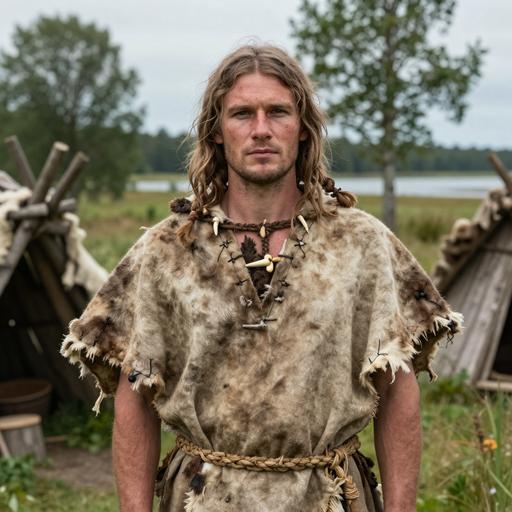
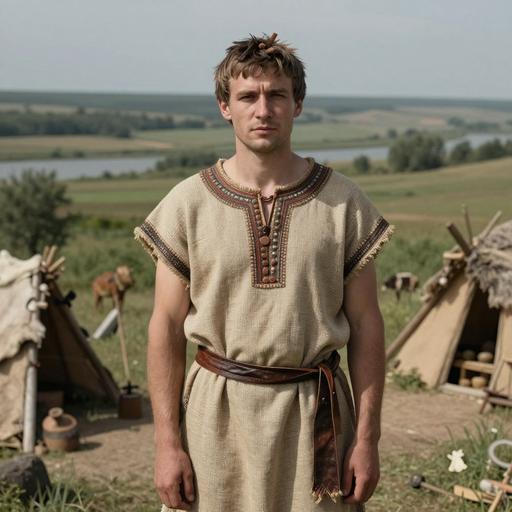
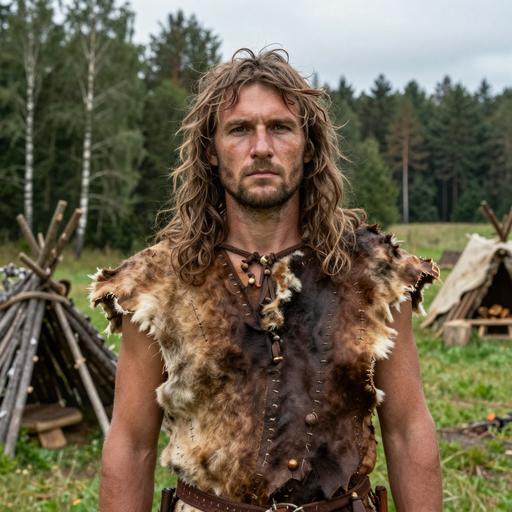
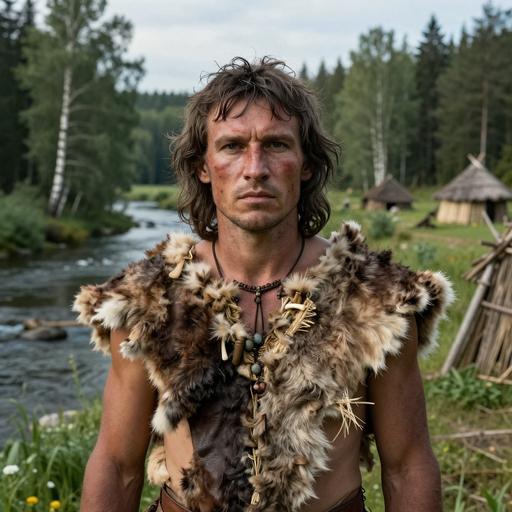
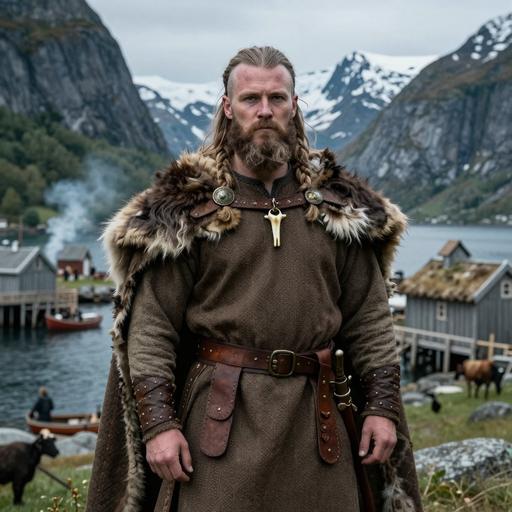
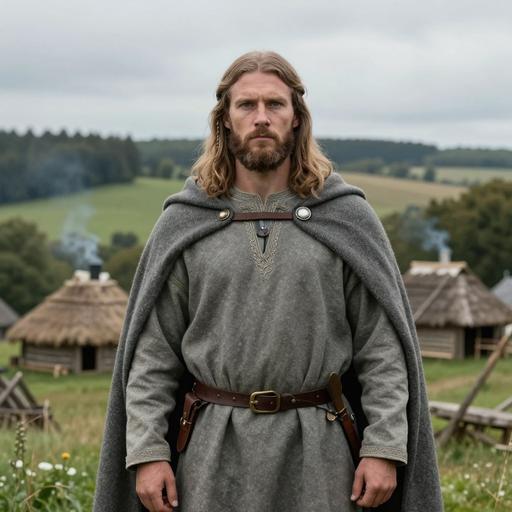
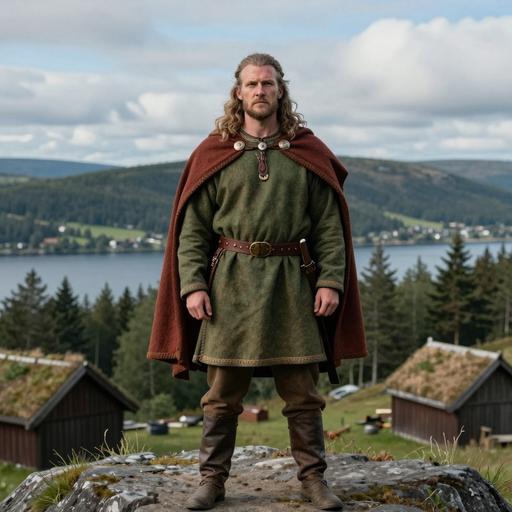
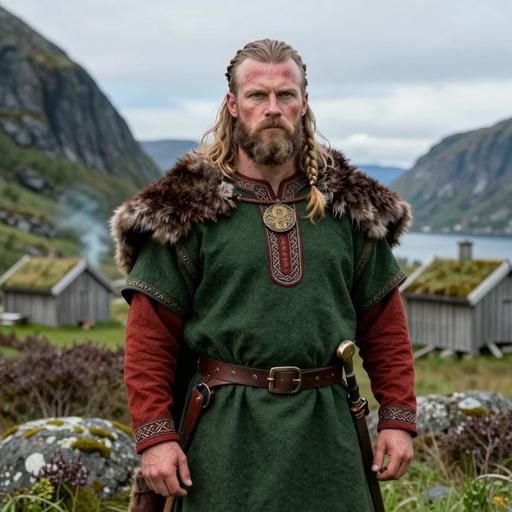
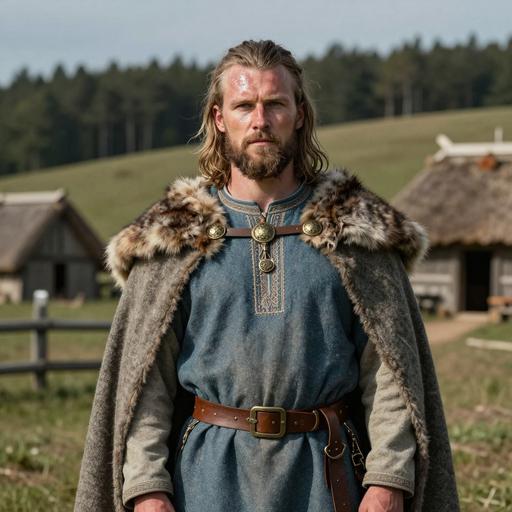
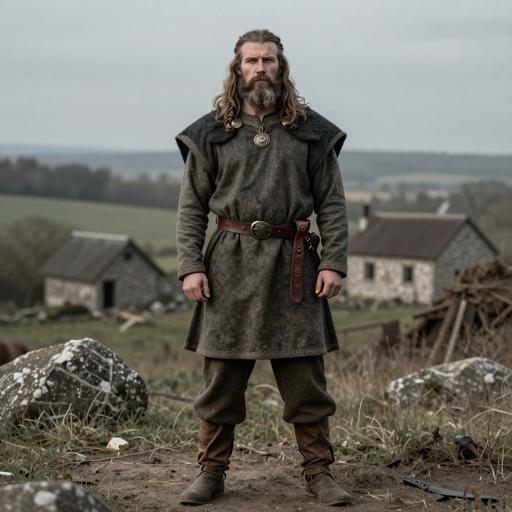
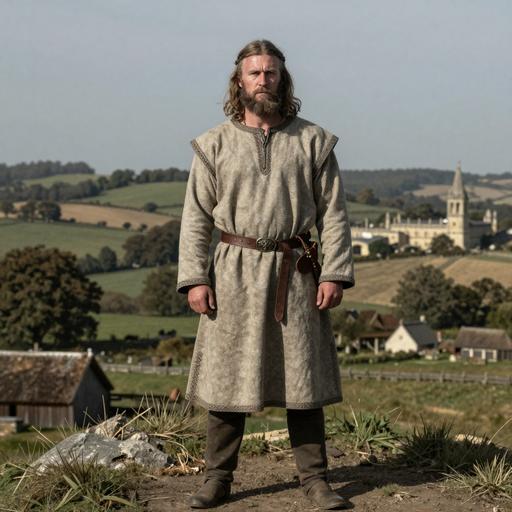
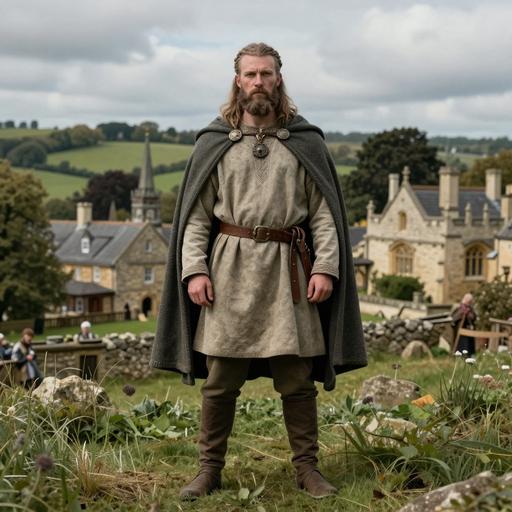
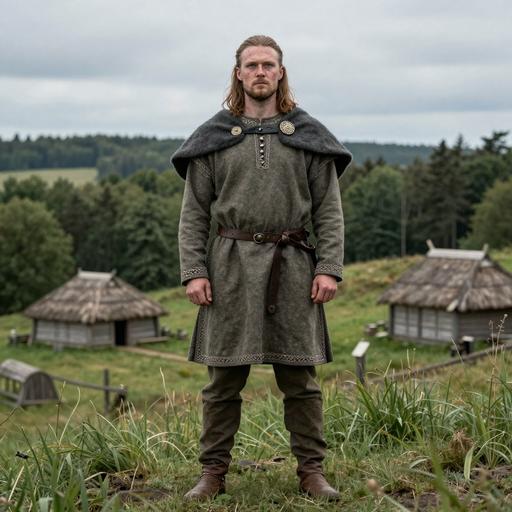
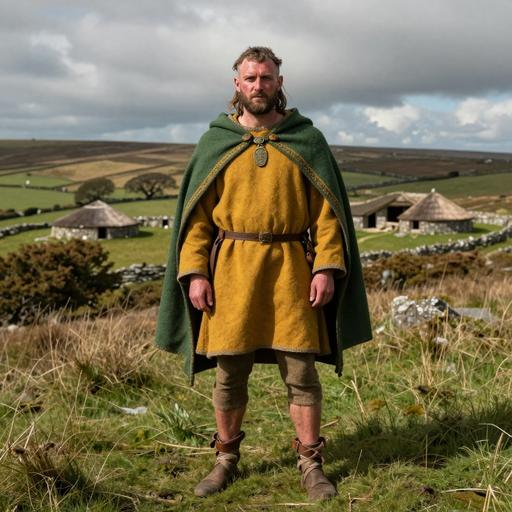
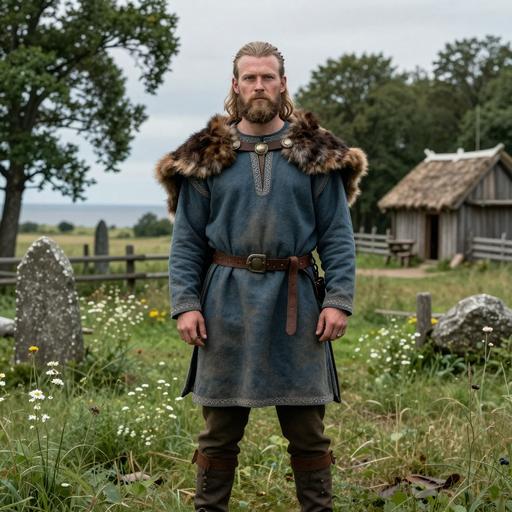
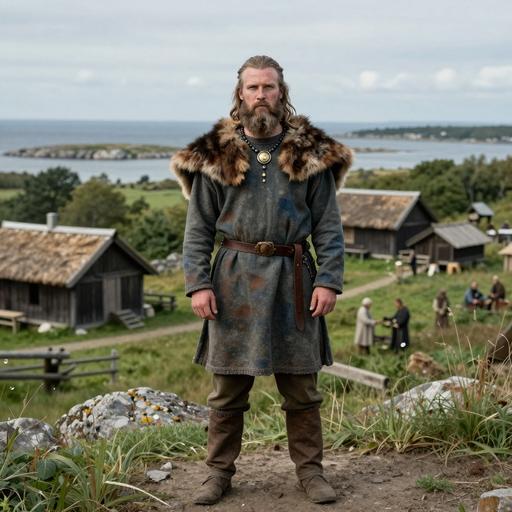
Portraits are AI-generated illustrations. Sample labels and accession IDs identify the reference records.
Portrait Sample Country Era Date Culture Y-DNA Match
AI-generated illustrative portrait of IA Wielbark individual, Kowalewko (Greater Poland Province, Oborniki), Poland (56-217 CE)
Sample ID: PCA0050
Poland Wielbark Culture 50-250 BCE Wielbark I Direct
AI-generated illustrative portrait of Germanic individual, Lower Saxony. Issendorf, Germany (300-500 CE)
Sample ID: ISS002
Germany Saxon Early Medieval Issendorf, Germany 300 CE - 500 CE Saxon Issendorf I Direct
AI-generated illustrative portrait of Drantum Medieval Saxon individual, Lower Saxony. Drantum, Germany (600-900 CE)
Sample ID: DRU005
Germany Saxon Medieval Drantum, Germany 600-900 CE Saxon Drantum I Direct
AI-generated illustrative portrait of England Early Medieval individual, England. Norfolk. Sedgeford, United Kingdom (700-800 CE)
Sample ID: SED007
United Kingdom Early Medieval Anglo-Saxon Norfolk, England 700-800 CE Anglo-Saxon I Direct
AI-generated illustrative portrait of Dunum Medieval Saxon individual, Lower Saxony. Dunum, Germany (800-1,000 CE)
Sample ID: DUN003
Germany Saxon Medieval Dunum, Germany 800-1000 CE Saxon Dunum I Direct
AI-generated illustrative portrait of Norse individual, Ladoga, Russia (900-1,200 CE)
Sample ID: VK22
Russia Russia Viking 900 CE - 1200 CE Viking Culture I Direct
AI-generated illustrative portrait of Norse individual, Eastern Settlement. 029a, Greenland (900-1,200 CE)
Sample ID: VK182
Greenland Greenland EarlyNorse 900 CE - 1200 CE Norse Greenland I Direct
AI-generated illustrative portrait of Post Medieval individual, Kronan (Kalmar län, Mörbylånga), Sweden (c. 1,676 CE)
Sample ID: kro015
Sweden Southern Swedish Post-Medieval Culture 1676 CE Post-Medieval Swedish I Direct
AI-generated illustrative portrait of N MN TRB individual, Frälsegården (Västra Götalands län, Falköping), Sweden (3,095-2,924 BCE)
Sample ID: NEO259
Sweden Swedish Funnel Beaker Culture 3095-2924 calBCE (4404±21 BP, OxA-39288) Funnel Beaker I Direct
AI-generated illustrative portrait of N individual, Ireland. Sligo. Carrowkeel, Ireland (3,100-2,600 BCE)
Sample ID: CAK534
Ireland Ireland N 3100-2600 BCE Irish Neolithic I Direct
PATERNAL LINEAGE · ANCIENT DNA

Ancient lineage evidence map

Follow parent clades toward this branch and explore where ancient carriers were found.

Loading ancient observations…

Markers are archaeological find locations. A dashed connector is an uncertain, proposed geographic transition between consecutive branches supported by multiple dated observations; it is not an exact travel route, birthplace or proof of direct descent. Parent-clade samples may belong to other descendant branches. Gaps remain where evidence is insufficient. Sample dates differ from haplogroup formation dates.

Reference profile

Carrier Distribution Map
Geographic distribution of 79 ancient DNA samples (direct and subclade carriers of I)

Direct carrier Subclade carrier
Time Period Filter
All Time Periods
Showing all samples
Reference profile

Temporal Distribution

Distribution of carriers across archaeological periods

Reference profile

Geographic Distribution

Counts by recorded sample country. These reflect the available reference selection, not population frequencies.

Reference profile

Country × Era Distribution

Compare recorded sample counts across countries and archaeological periods. Select a populated cell to inspect a sample.

Data

Data & Provenance

Source information and data quality

Last Updated 2026-06-17

Data Source

Classification, estimated dates and geographic context reflect the recorded reference data and may change as evidence is revised. Sample coverage is uneven; recorded locations and archaeological associations do not establish personal origin or cultural identity.